
Basic Rechargeable Flashlight for Everyday and Industrial Use
A basic rechargeable flashlight solves a simple but important problem: reliable portable light when fixed lighting is not enough. Whether the user is checking a machine in a dim warehouse, walking through a power outage, packing an emergency kit, or carrying a compact tool for outdoor tasks, a basic rechargeable flashlight gives direct illumination without the recurring cost and waste of disposable batteries. The model described here is a handheld, cylindrical flashlight with a tapered head, textured grip area, and USB Type-C charging support, making it suitable for routine utility lighting and bulk purchasing needs.
Product Overview
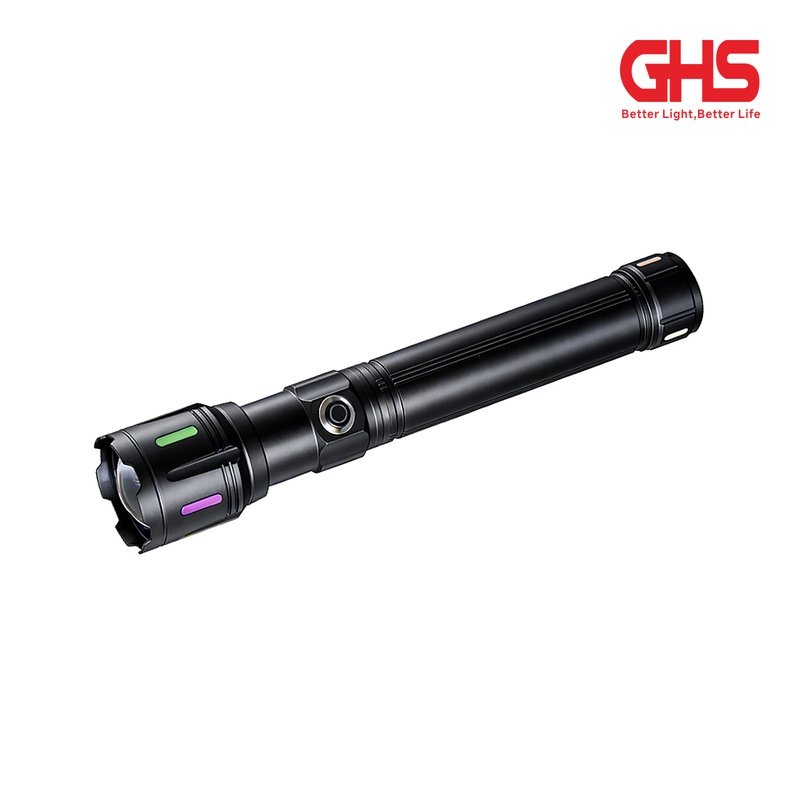
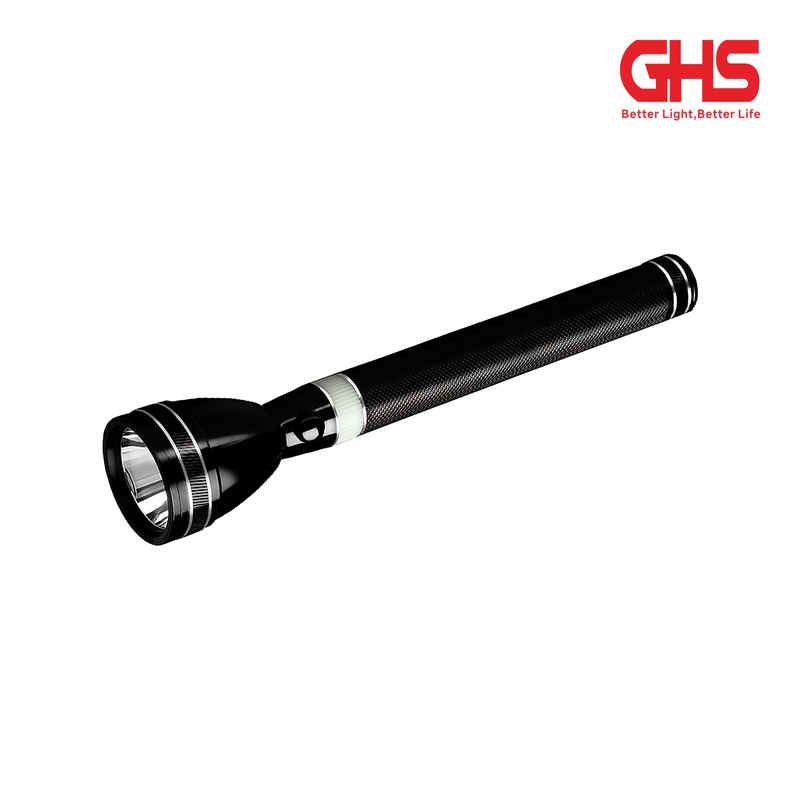
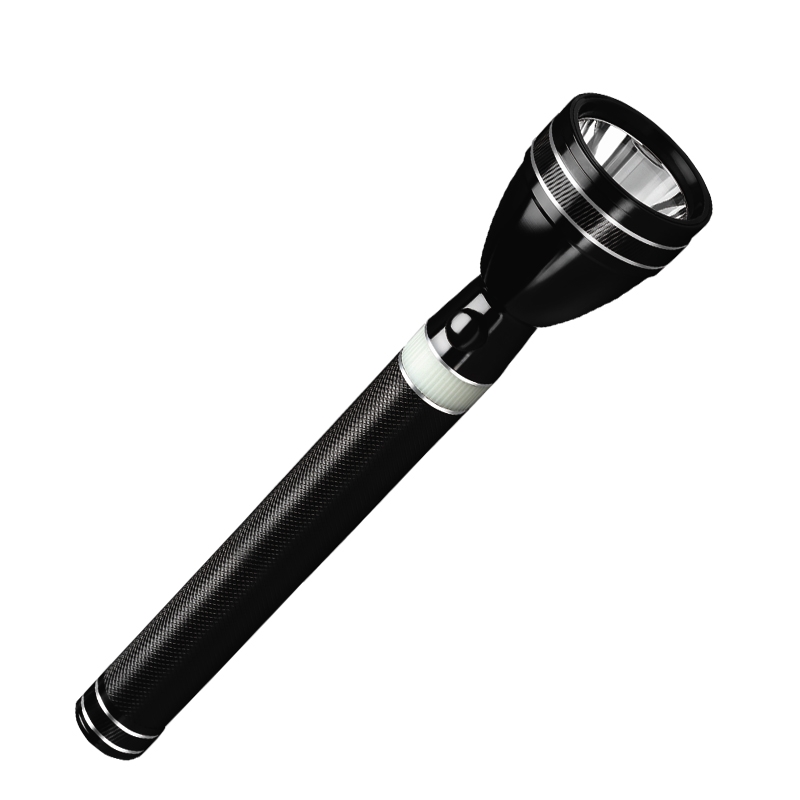
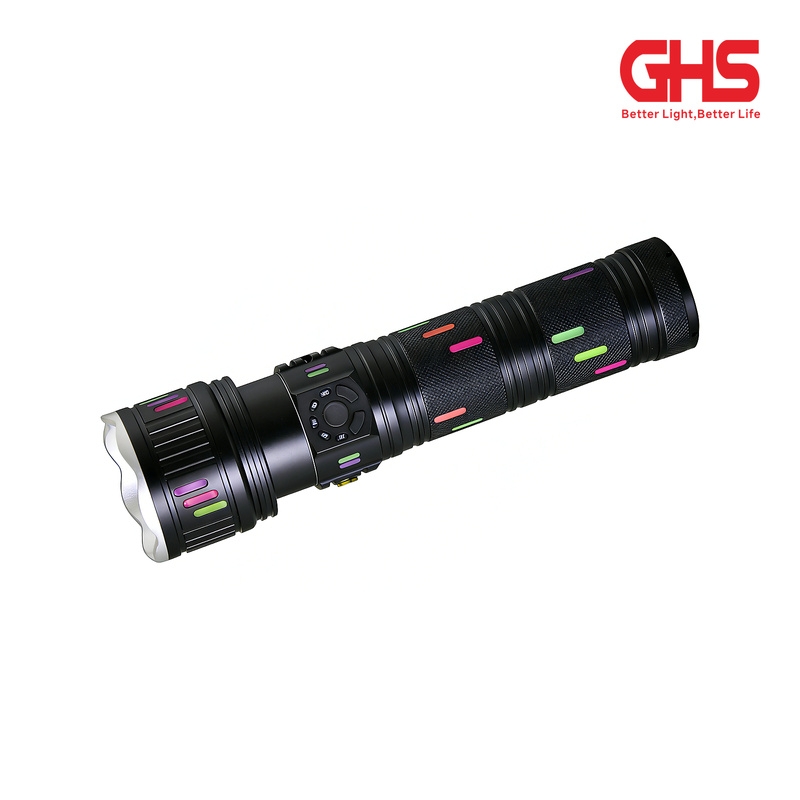
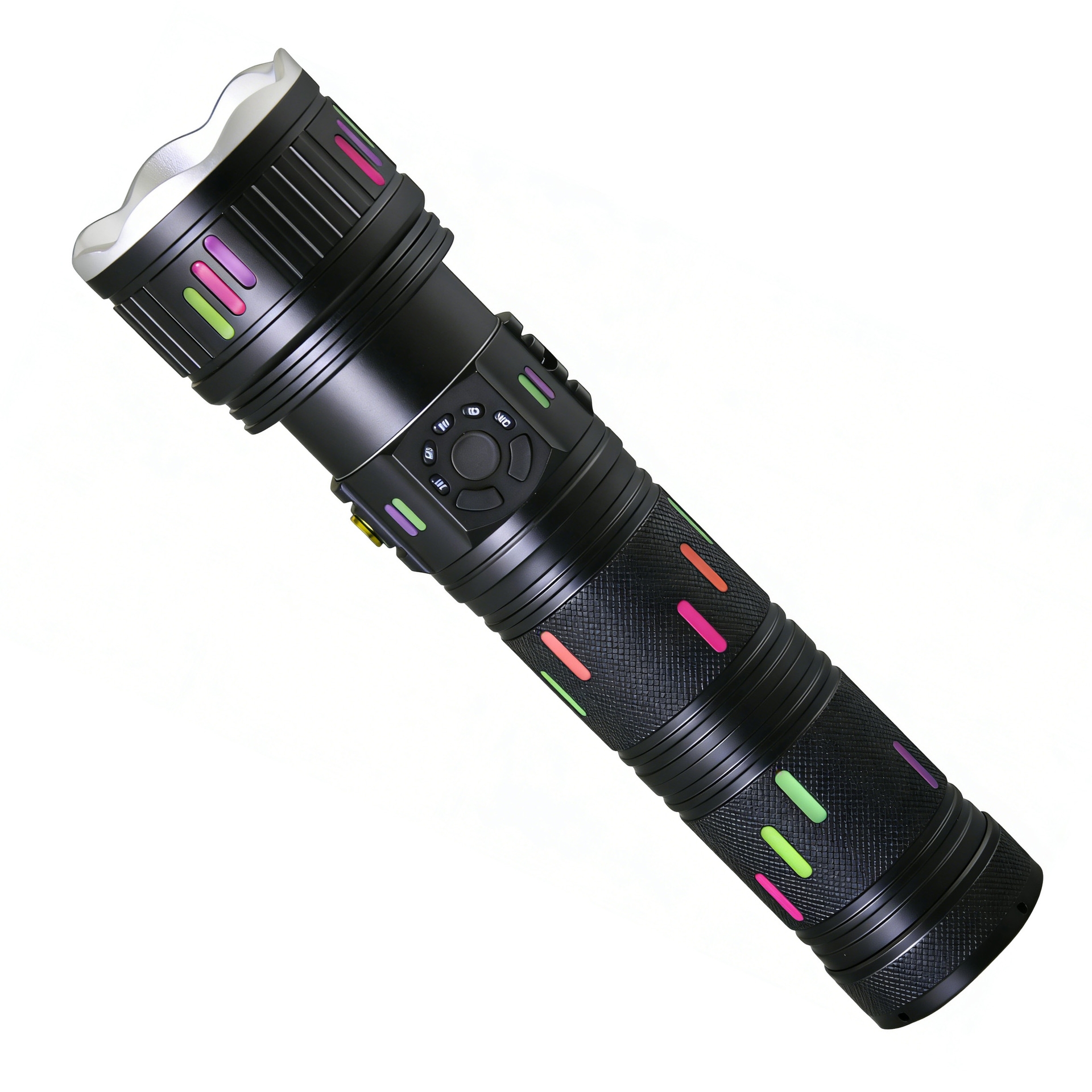
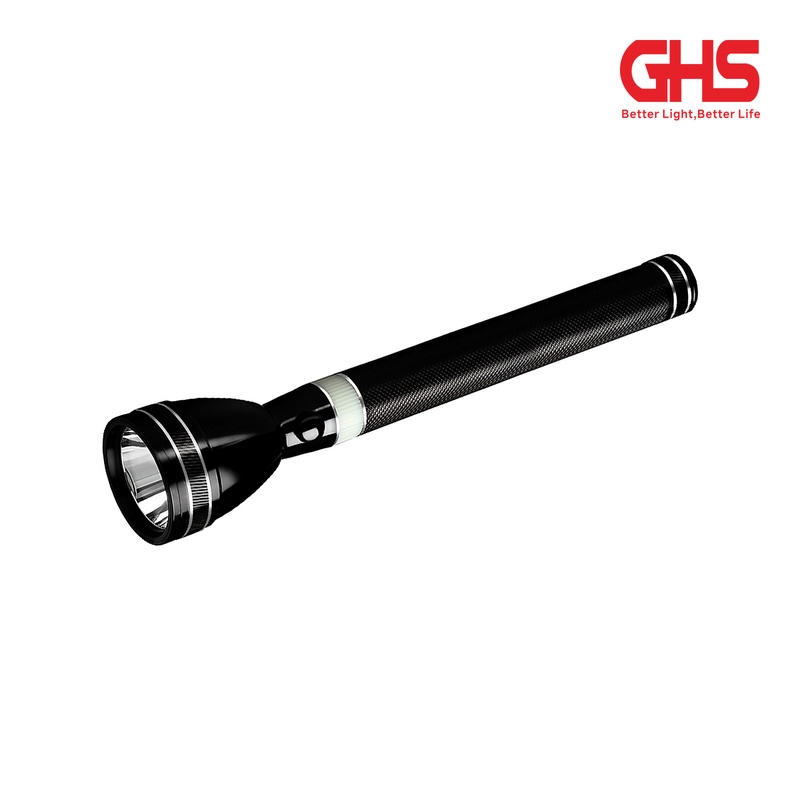
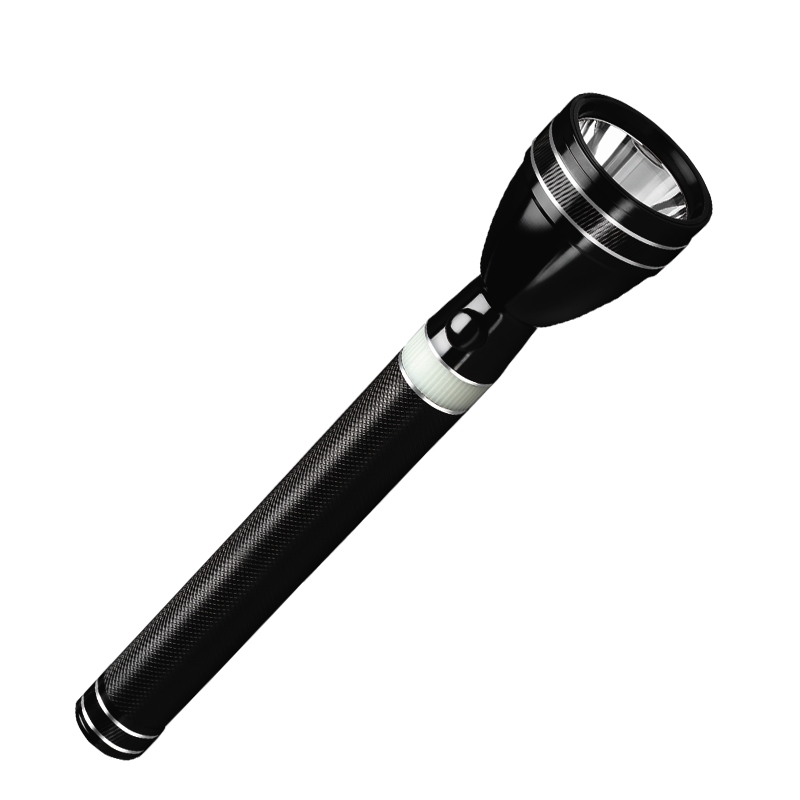
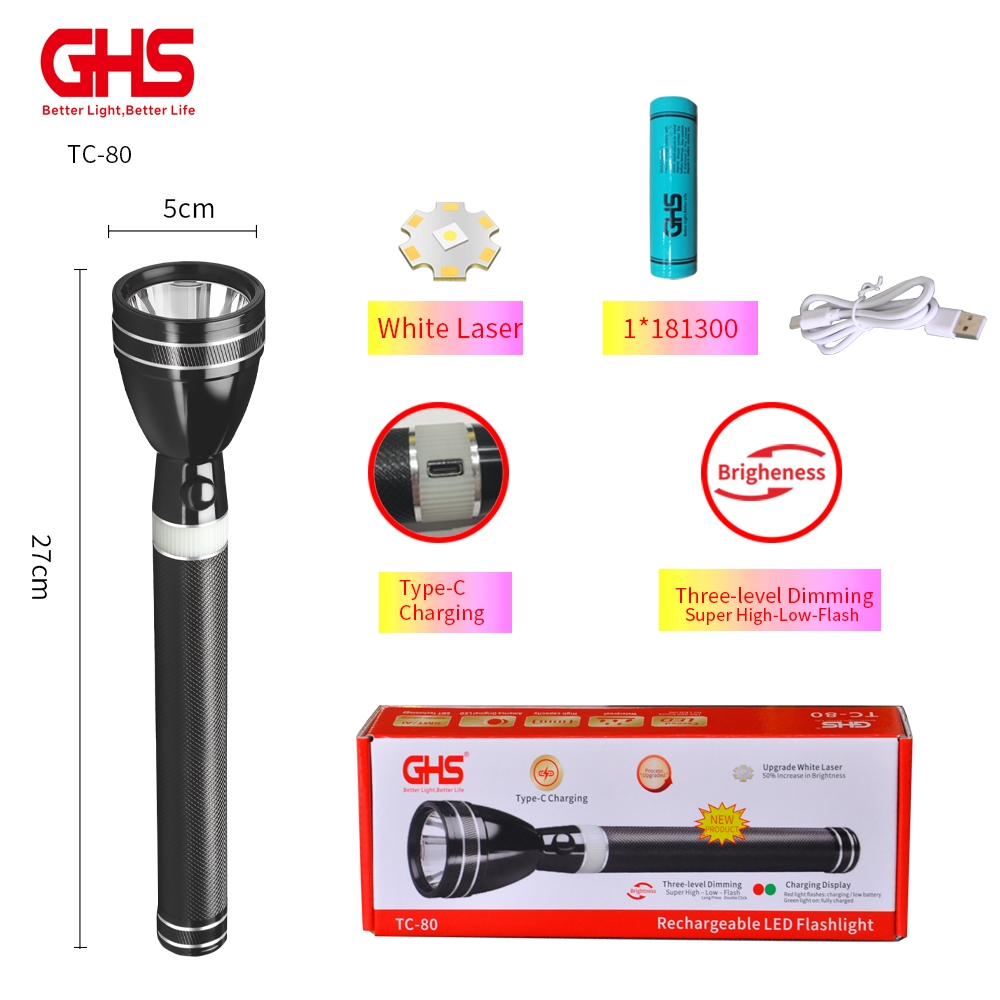
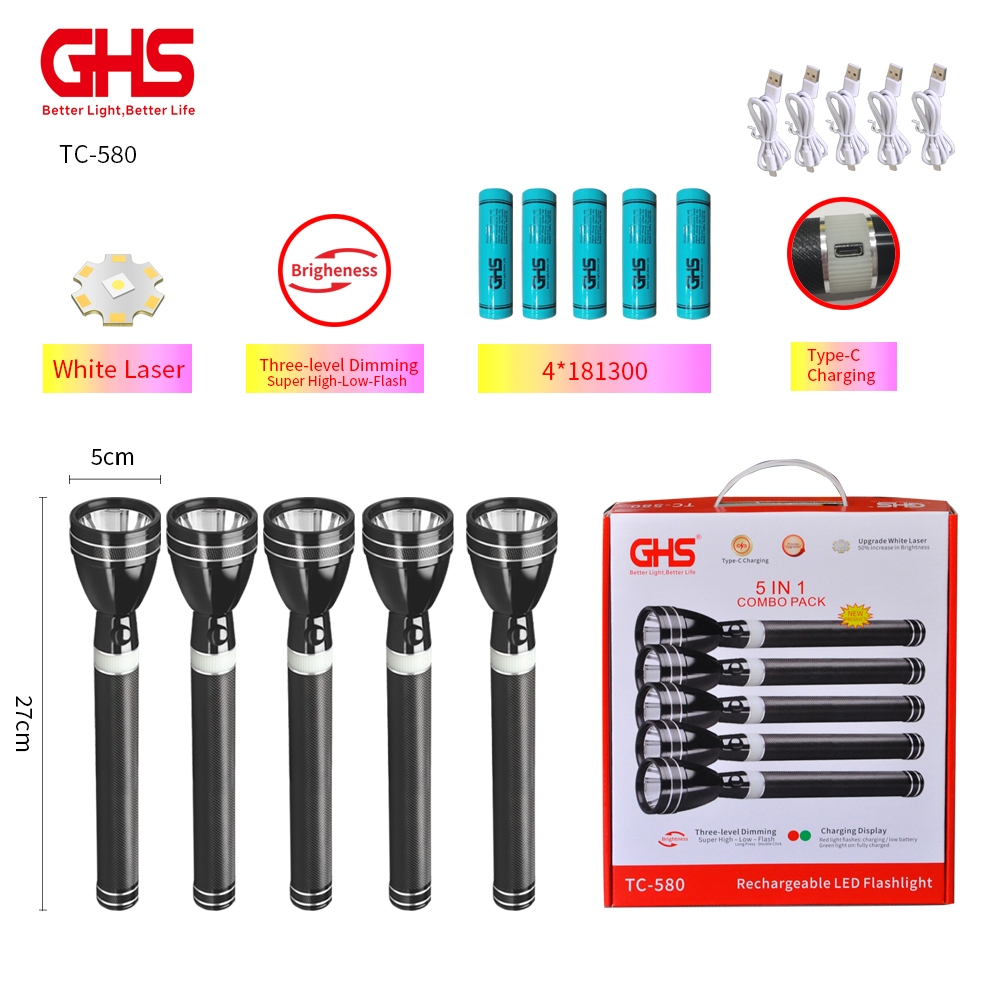
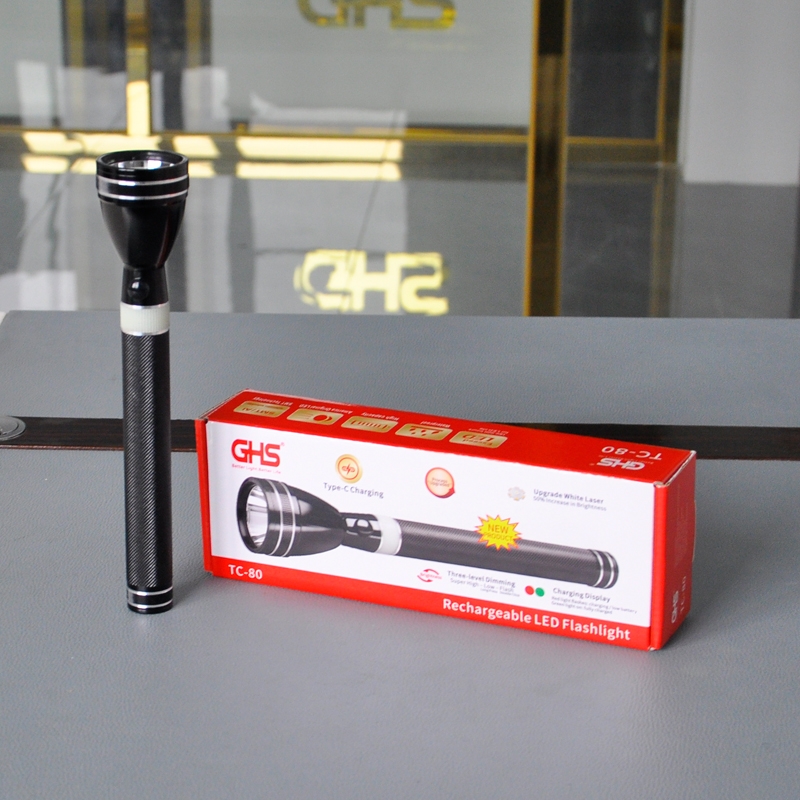
This product is a handheld flashlight/torch designed around a slim, reach-oriented body shape. The visible structure shows a long cylinder, a reflector-style front head, and contrasting trim rings that create a functional industrial appearance. The form factor suggests a tool meant to be carried in a pocket, toolbox, vehicle compartment, or safety kit. It is not presented as a specialty lamp or a fixed installation; instead, it is a general-purpose portable light source for short- to medium-range tasks.
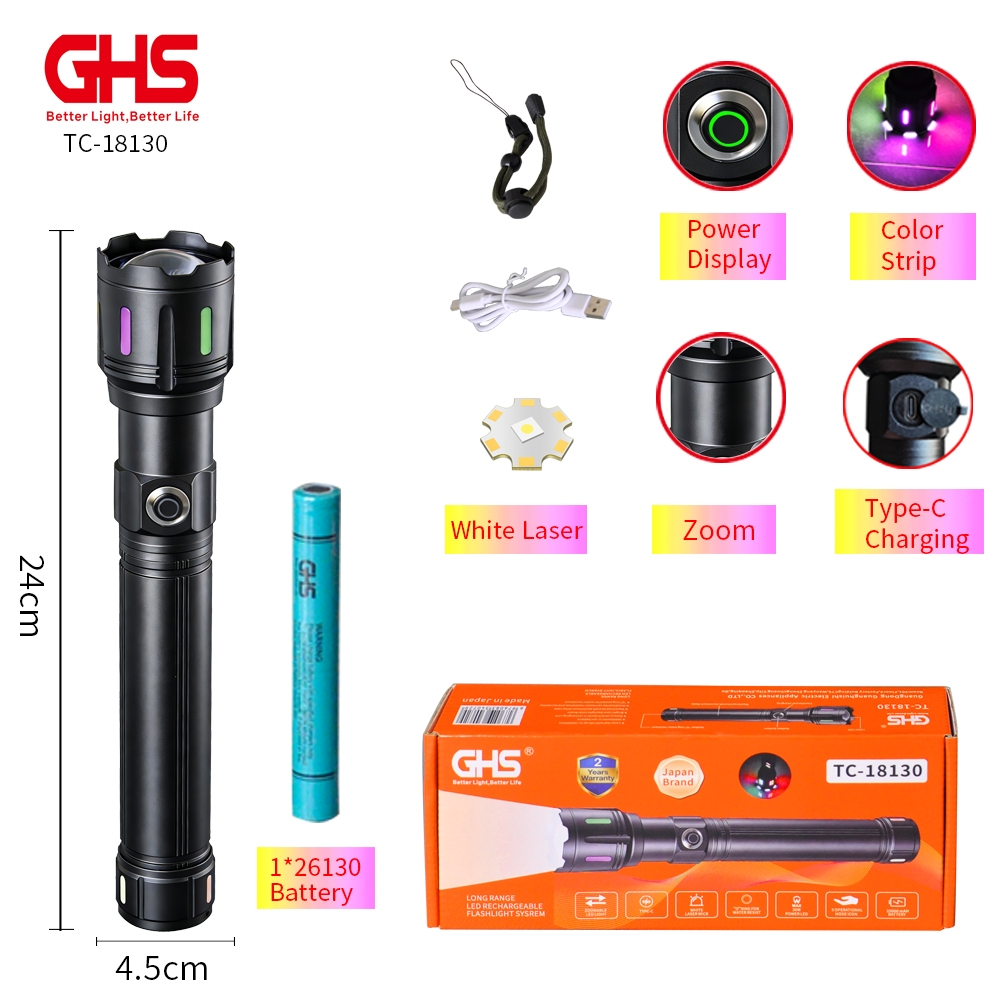
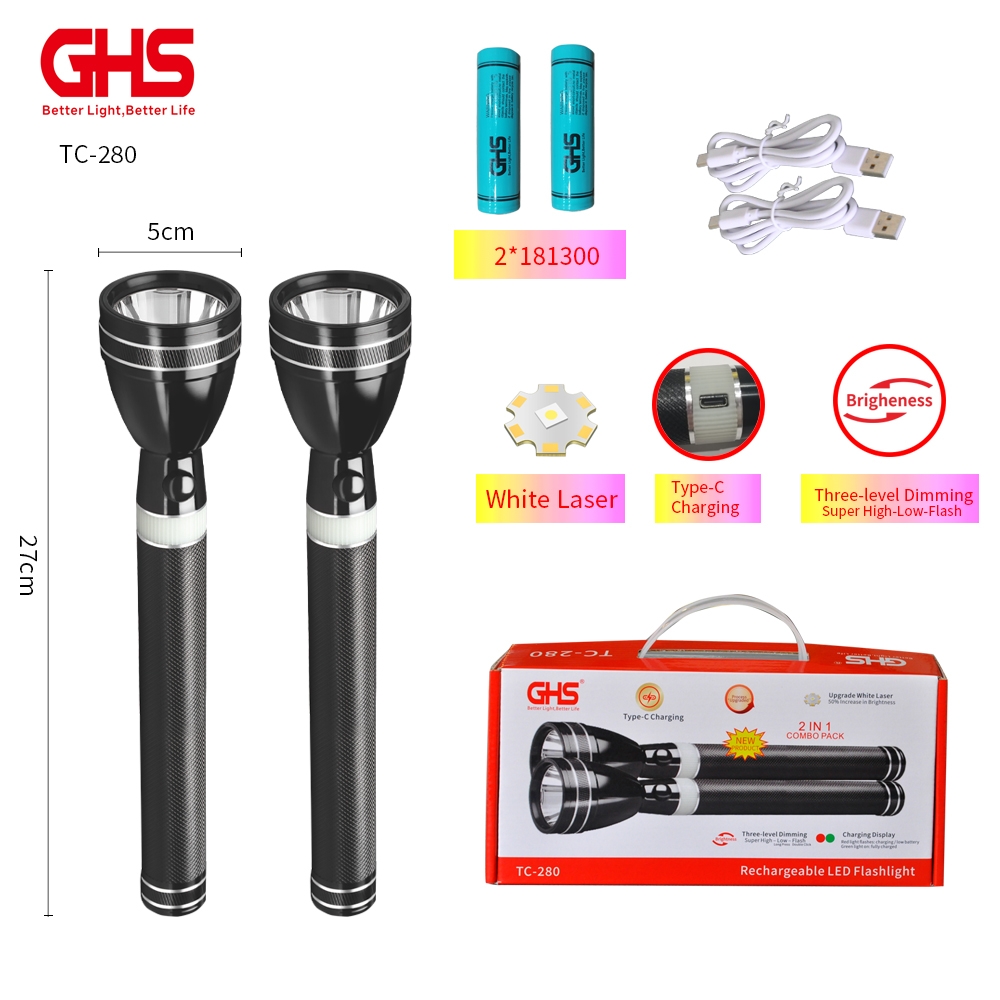
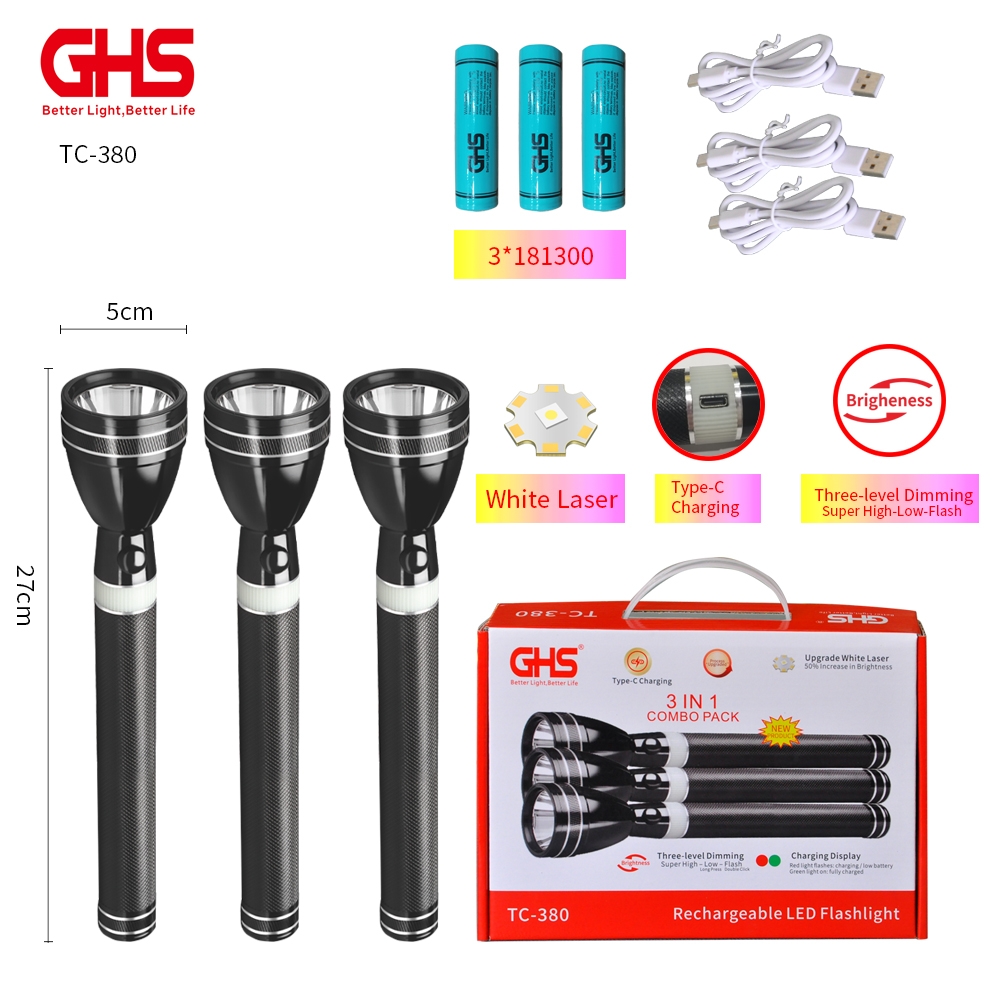
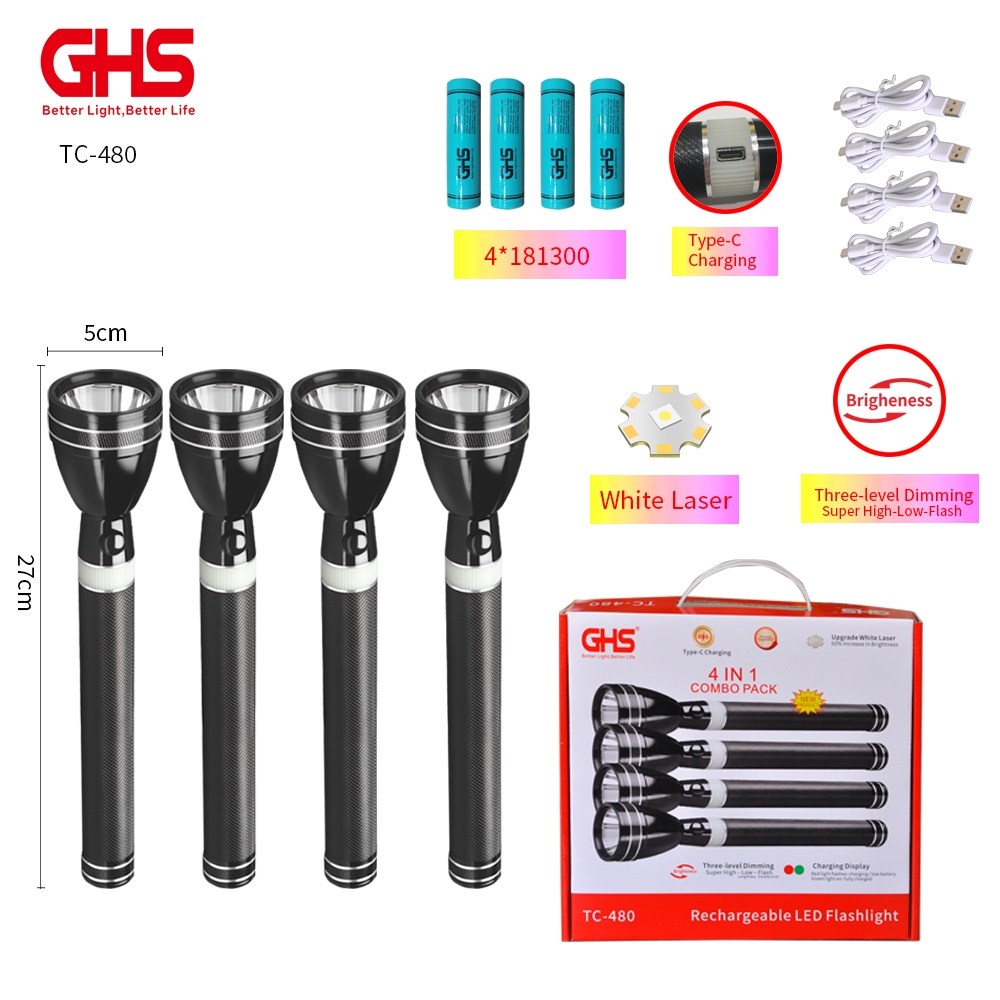
Based on the provided information, the flashlight includes rechargeable operation and a USB Type-C charging input. In the combo-pack version, multiple units are shown together, which is relevant for distributors, hardware retailers, promotional buyers, and procurement teams that need consistent stock for resale or internal use. The visible packaging references multi-level dimming and a high/low/flash style of operation, although exact electrical performance data is not supplied and should not be assumed.
Key Visible Specifications and Capabilities
Form factor
The flashlight has a long, narrow cylindrical body with a widened front head. This geometry is commonly used for focused beam projection and comfortable one-handed handling. The textured outer body supports grip during inspection work, vehicle use, or wet-weather handling, while the head section appears to use a reflector-style opening for directed light output.
Charging interface
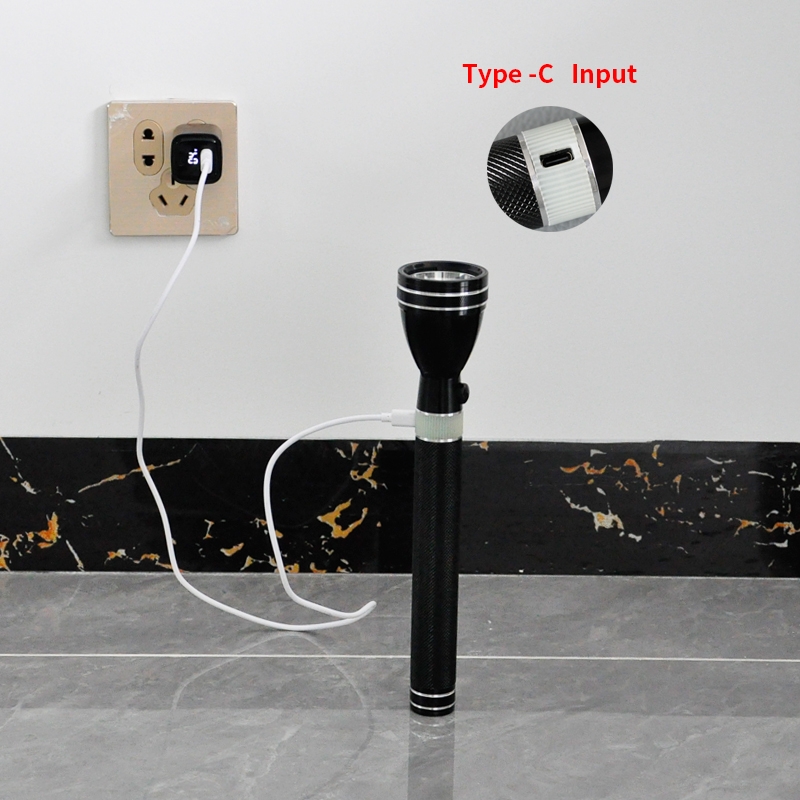
A visible USB Type-C charging port is shown, indicating modern rechargeable convenience and easier cable compatibility in most workshop and household settings. For buyers, this reduces dependence on specialized charging docks and simplifies replacement cable management across a product line.
Operating modes
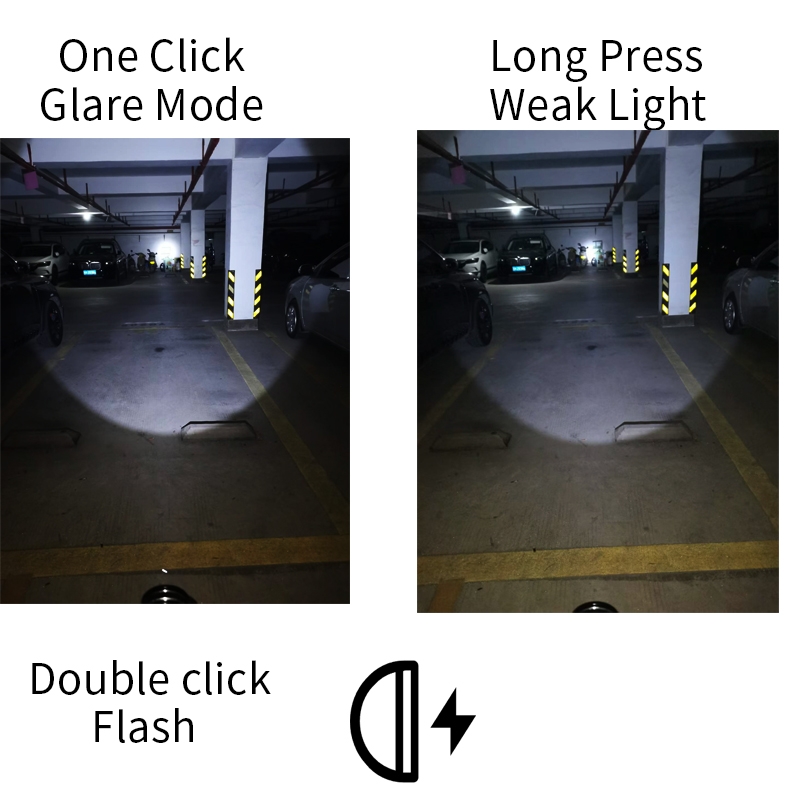
The packaging graphics mention three-level dimming and a super high-low-flash pattern. These phrases suggest a practical mode set for switching between stronger illumination, lower-power task lighting, and an attention or signal mode. Since exact output values are not provided, the safest interpretation is that the unit supports multiple brightness settings rather than a fixed single-beam operation.
Combo-pack availability
The supplied material shows a five-flashlight set, which is useful for channel buyers who need bundled inventory for retail shelves, institutional distribution, or promotional programs. Multi-unit packaging can also reduce per-unit handling in procurement and simplify replenishment for storage-based operations.
Materials and Finish Options
The visible finish is primarily black, with a matte or textured body surface and silver/chrome-colored trim rings at the head and lower sections. The front bezel and inner reflector appear metallic. The exact base material is not confirmed in the source data, so it is best described as a metal-look or metal-accented construction rather than a specific alloy claim.
From a buyer perspective, finish matters because it affects perceived quality, grip feel, and presentation in retail channels. A textured black surface generally helps with handling, while contrasting metallic details give the product a more technical appearance. For OEM or ODM projects, similar flashlights are often offered with alternative surface textures, colorways, and branding placements, depending on the seller’s market.
Manufacturing and Assembly Considerations
The flashlight appears to belong to the broader consumer or industrial lighting assembly category. A product like this is typically built from a cylindrical housing, front optical components, charging interface parts, switch components, and integrated electronics. The housing may be machined or molded depending on the target price point and material selection, but the exact internal method cannot be verified from the image alone.
For buyers working with a rechargeable flashlight supplier, the key production considerations usually include body consistency, switch reliability, charging port alignment, lens fit, and cosmetic finish stability. In bulk programs such as LED flashlight wholesale sourcing, uniformity between units is especially important because the product will often be sold as part of a set or distributed across multiple locations.
Common Application Scenarios
Home and emergency use
A basic rechargeable flashlight is a practical item for power outages, fuse checks, stairwells, and household repairs. Because it is rechargeable, the user can keep it ready without maintaining a stock of disposable batteries.
Maintenance and inspection
Technicians and facility staff often need directed light for looking into cabinets, panels, pipe runs, shelving rows, and machine compartments. The long body and reflector-style head make this product suitable for that kind of focused work.
Outdoor and travel use
Camping, roadside stops, and general travel kits are common use cases for a compact rechargeable torch. The handheld size is convenient for storing in a car door pocket, glove box, or backpack side compartment.
Security and warehouse operations
Security staff and warehouse teams need dependable portable lighting during patrols, inventory checks, loading areas, and low-light movement. A rechargeable flashlight with a textured grip and multiple brightness modes is a practical fit for these environments.
Quality Control and Buyer Evaluation Points
When evaluating this type of product, buyers should focus on the visible and measurable details first. Body alignment, lens seating, switch placement, charging-port fit, and surface consistency are all important in bulk orders. For rechargeable products, buyers should also ask for battery specifications, runtime data, charging time, and protection details before making purchasing decisions.
Because the supplied information does not confirm lumen output, beam distance, waterproof rating, impact resistance, or exact battery capacity, those items should be requested from the seller rather than assumed. In a procurement workflow, documentation such as specification sheets, sample inspection, and pre-shipment photos can help reduce mismatch risk. If the flashlight is being sourced for private label or channel resale, cosmetic consistency across sets should be checked carefully.
Customization Guidance for OEM and Retail Buyers
For brands and distributors, this flashlight format offers several common customization paths. Buyers may request logo placement on the body or packaging, alternate color finishes, label changes, or retail box artwork adjustments. If the project is aimed at hardware stores or promotional gifting, packaging language and accessory layout can be adapted to the sales channel.
A rechargeable flashlight supplier can also support functional customization in many cases, such as switch style, charging-port arrangement, accessory bundle configuration, or battery integration details. Any such changes should be confirmed through samples, because visible appearance alone does not reveal internal electrical design. For channel programs, it is also useful to align the product line with the expected user environment: household kits, automotive kits, outdoor kits, or facility maintenance kits.
How to Choose the Right Version
Buyers comparing models should look at several practical factors. First is charging convenience: USB Type-C is a strong advantage for modern users because it simplifies cable replacement and compatibility. Second is grip and handling: a textured body is preferable when the flashlight may be used with gloves or in damp settings. Third is packaging format: single-unit retail packaging and multi-unit combo packs serve different sales channels.
Next, consider the intended use. For casual home emergency lighting, a basic rechargeable flashlight with a few brightness levels is usually sufficient. For inspection or resale programs, consistency and finish quality may matter more than feature count. Finally, clarify the exact specifications that are not visible in the product description, including battery type, brightness output, runtime, and charging details. That information is essential for accurate comparison and warranty planning.
Why This Format Works for Bulk Purchasing
This style of flashlight is straightforward, familiar, and easy to merchandise. The body shape is widely understood by end users, and the rechargeable design addresses a common buying preference: fewer disposable batteries and easier recharging. For wholesale and retail channels, that makes the product easy to explain and easy to position in emergency, utility, and everyday carry segments.
In addition, the combo-pack presentation supports inventory efficiency. When a product is sold in sets, buyers can allocate units across departments, locations, or retail bundles without needing multiple SKUs. That is one reason basic rechargeable flashlights continue to appear in hardware, general merchandise, and preparedness categories.
Request Samples or Bulk Supply
If you are sourcing this flashlight for retail, institutional use, or private label distribution, ask for a sample unit and a current specification sheet before placing a volume order. Confirm charging behavior, battery details, and packaging content, especially for combo packs. For structured sourcing, a clear discussion with the rechargeable flashlight supplier helps align appearance, packaging, and purchasing goals before production.
For buyers comparing multiple options in LED flashlight wholesale channels, this model offers a practical baseline: rechargeable operation, Type-C charging, compact handheld geometry, and a presentation suitable for general-purpose lighting markets. If you need a straightforward flashlight platform for resale or operational use, this is the kind of product worth reviewing closely.