
Rechargeable LED Flashlight for Portable, Handheld Lighting
A rechargeable LED flashlight is a practical answer for buyers who need reliable light in a compact form without depending on disposable batteries. For walking at night, campsite tasks, inspection work, security rounds, or emergency kits, the main problem is the same: you need a light that is easy to carry, quick to activate, and simple to recharge when power runs low. This handheld flashlight is designed around that need, combining a cylindrical metal body, a side switch, a zoomable structure, and visible Type-C charging support for everyday utility.
Product Overview
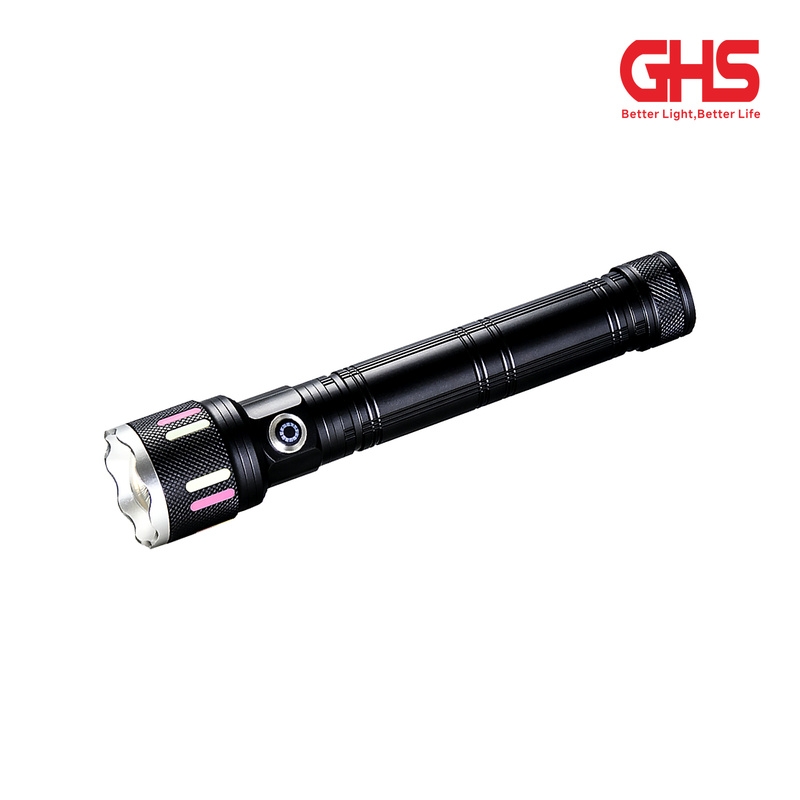
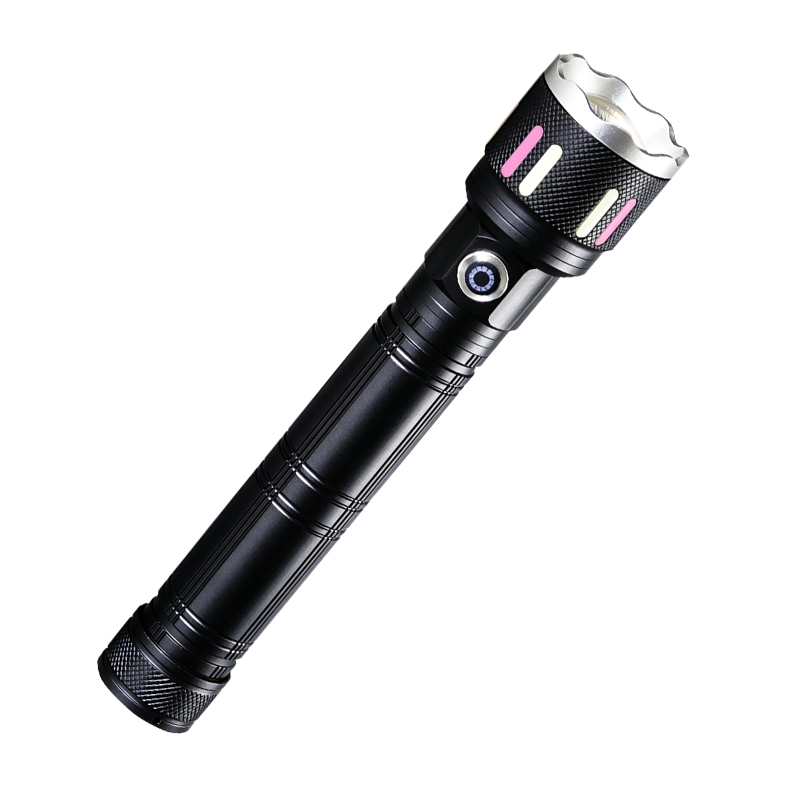
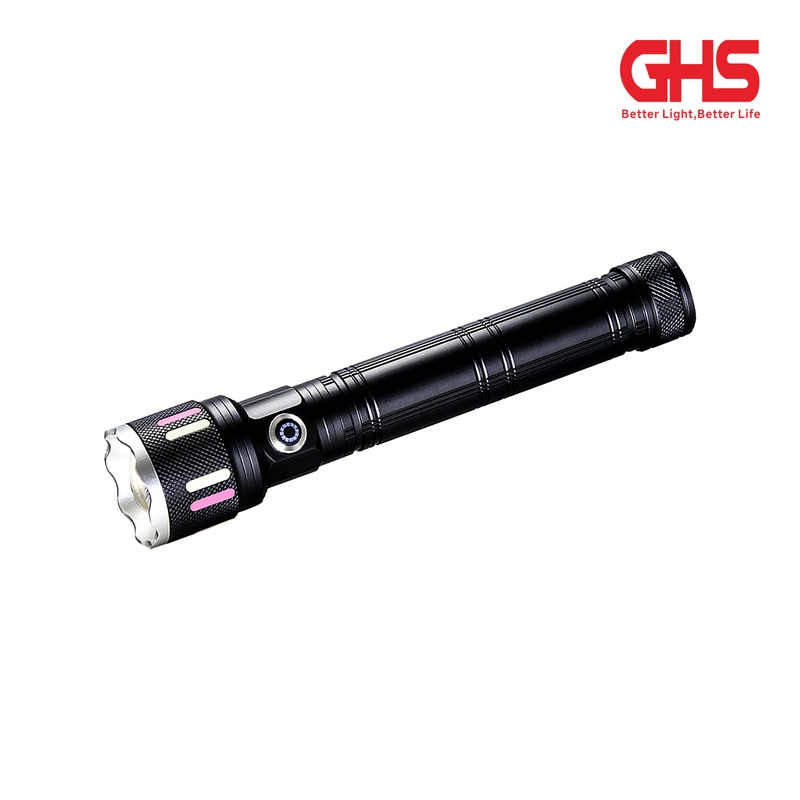
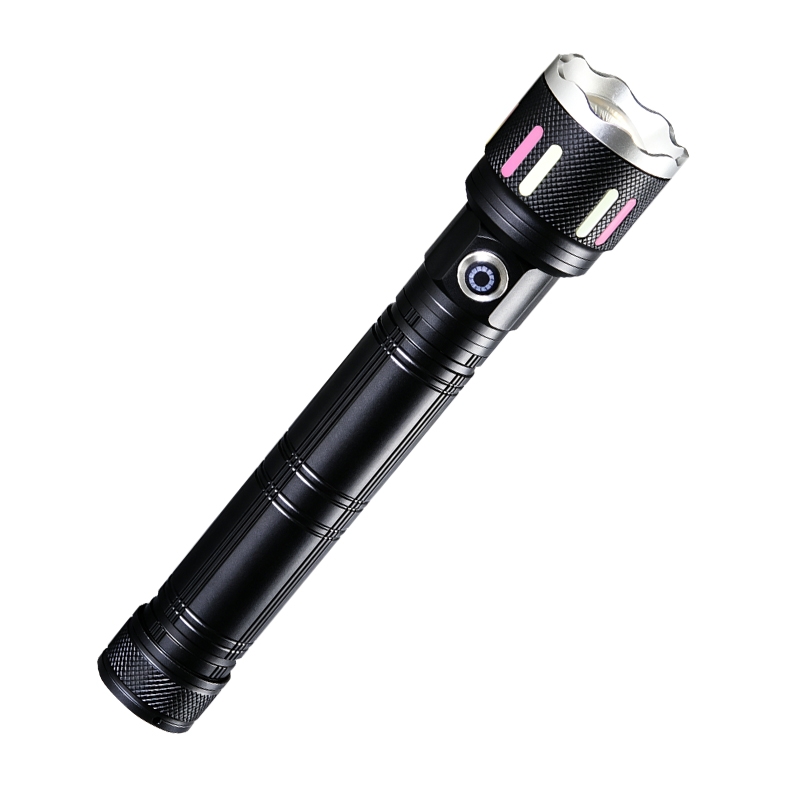
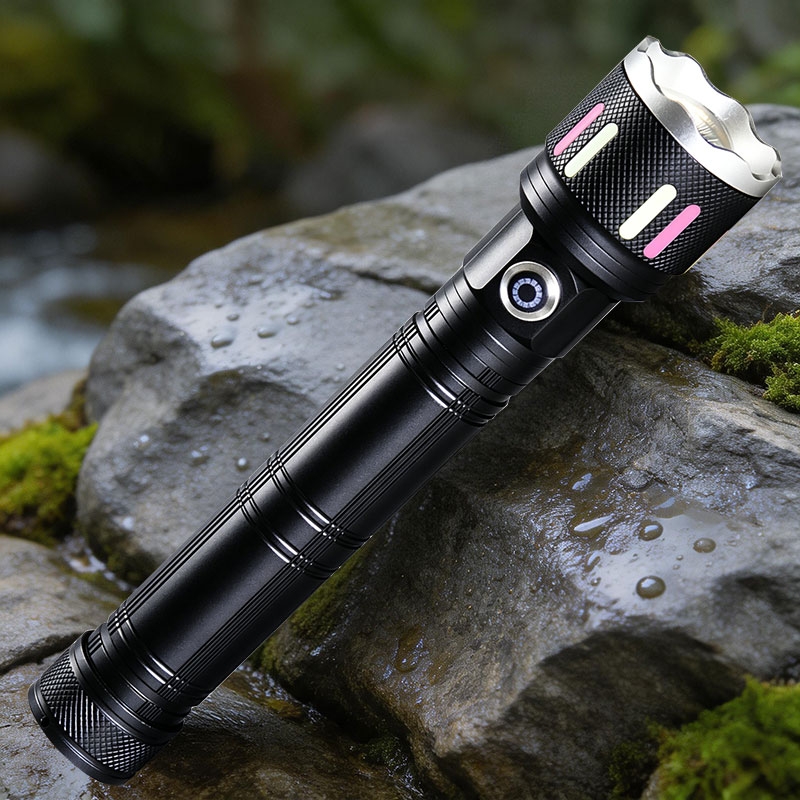
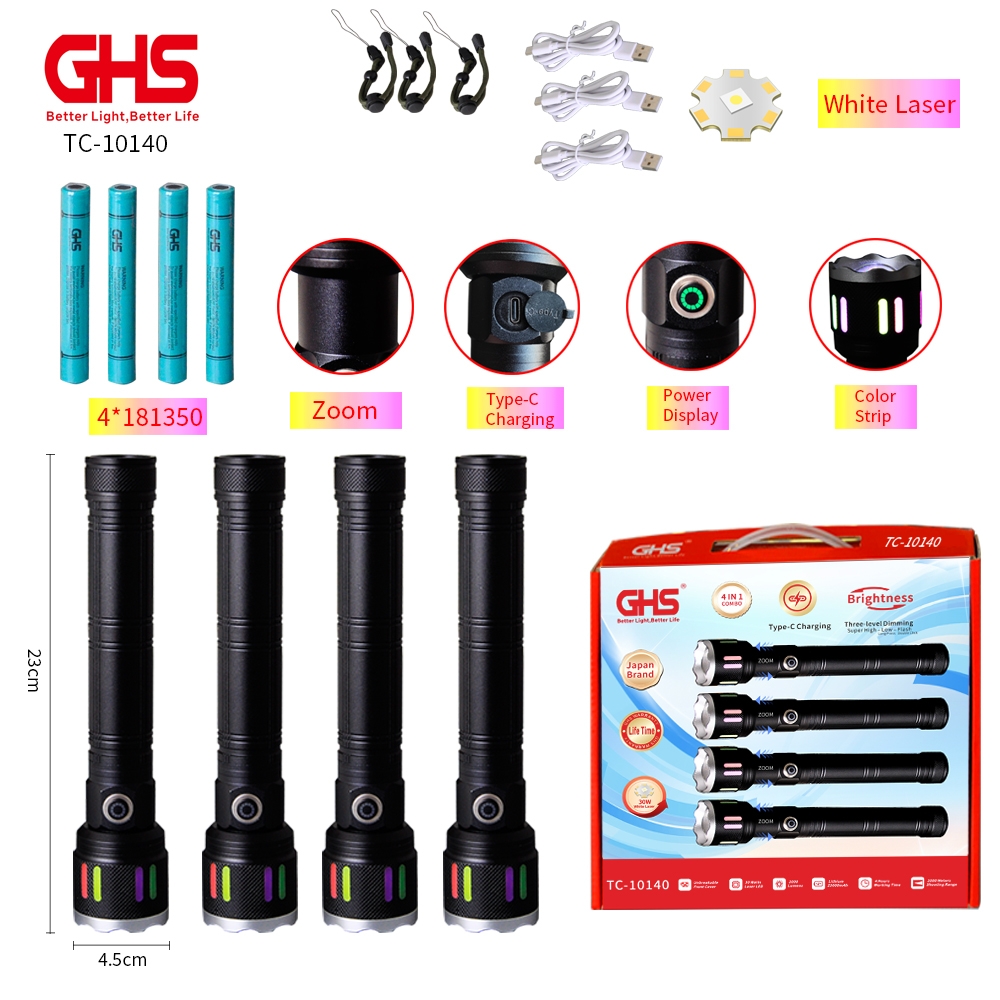
This model is a baton-style handheld torch with a slim tube body and a wider front head. The overall appearance suggests a metal construction, likely aluminum alloy, with a black anodized or painted finish. Textured grip areas appear near the head and tail, which helps users keep a steady hold during work or outdoor use. The front head includes a patterned light-emitting area, while the side-mounted button provides convenient power and mode control without forcing the user to reach the tail end.
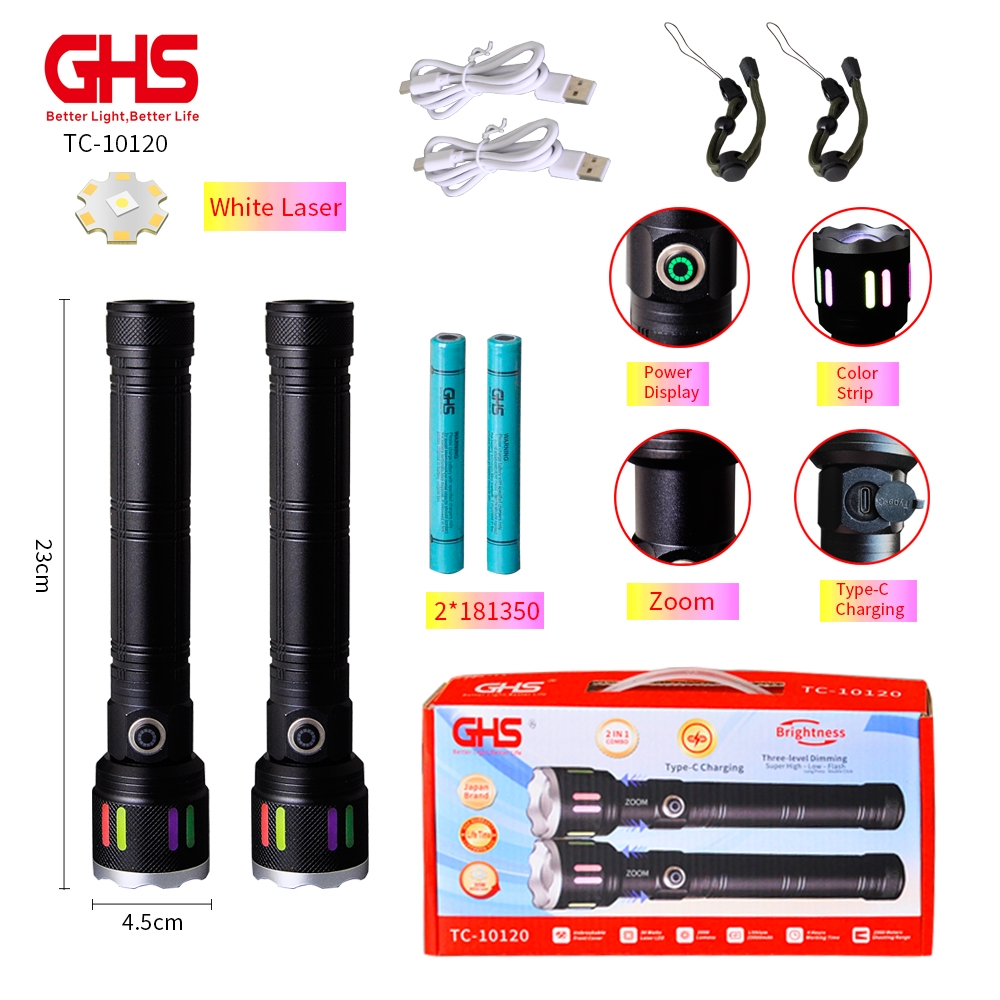
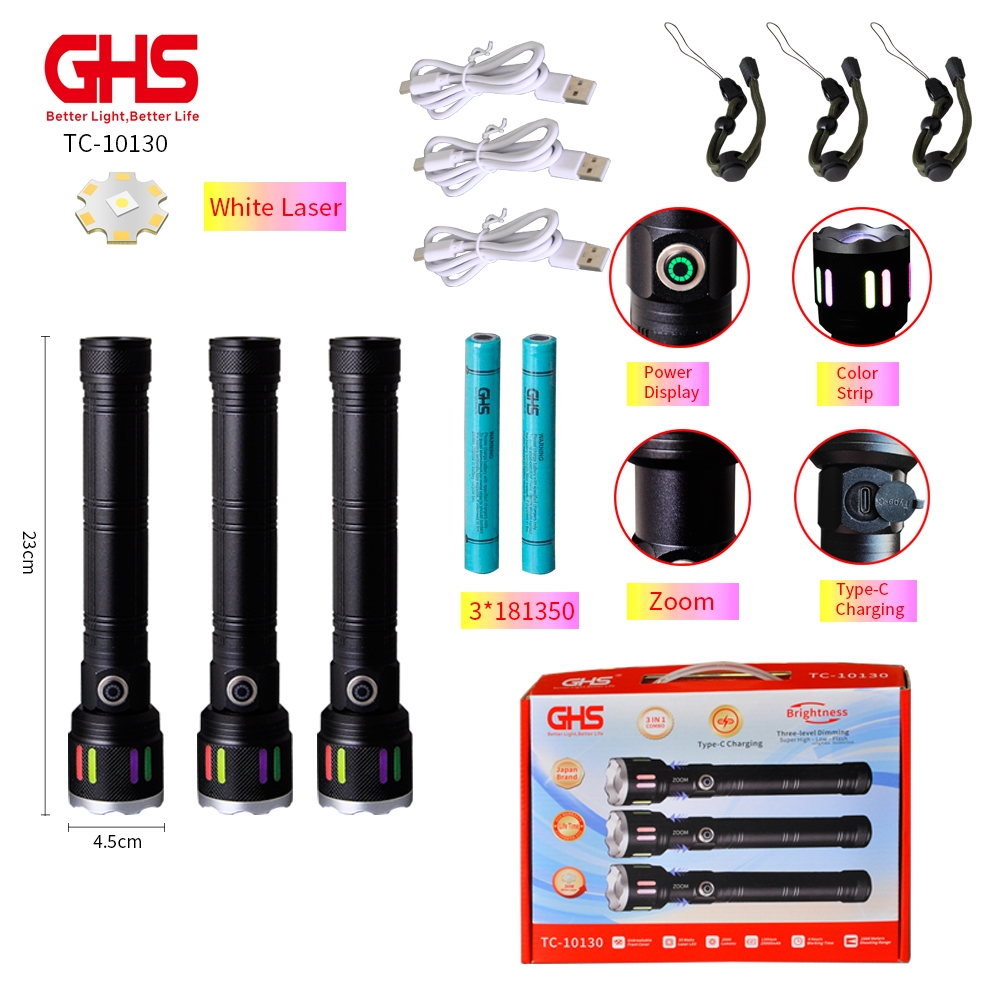
The product images also show visible accessories and battery components, including two 181350 battery cells, USB cables, lanyard straps, and retail packaging. That combination makes the flashlight suitable not only as a standalone tool but also as a packaged retail item for distribution, gifting, or project-based procurement.
What Buyers Can See at a Glance
Visible construction features
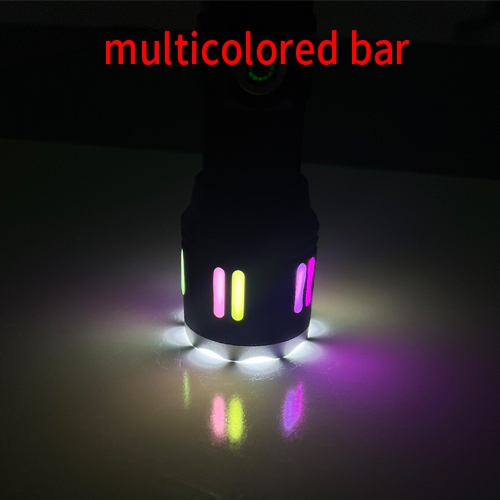
The flashlight body appears compact and portable, with a straight cylindrical profile and a slightly tapered head and tail section. A knurled surface at key handling points improves grip. The front bezel looks metallic, and the side switch has a circular form with an accent ring. Decorative colored inserts near the head are visible as well, giving the product a more identifiable look on the shelf.
Visible functional details
The image set shows a Type-C charging port with a cover, a side power display, a zoom function, and labeled light-related elements including “Color Strip” and “White Laser.” These markings indicate a multi-mode lighting concept, although the exact optical performance, beam output, and internal LED structure are not visible and should not be assumed.
Key Specifications and Capabilities
Because only visible information is available, the safest way to evaluate this rechargeable LED flashlight is by structure and feature set rather than hidden performance claims. Based on the product images, the main capabilities include portable handheld illumination, rechargeable power, zoom adjustment, side-button control, and a durable-looking metal housing.
- Handheld torch form factor
- Cylindrical aluminum-like body
- Side-mounted power/mode switch
- Type-C charging port with cover
- Power display window on the body
- Zoom/focus adjustment indicated in the images
- Color strip lighting and white light labeling shown on the product
- Supplied with battery cells and straps in the displayed set
One image also shows approximate product dimensions as 23 cm by 4.5 cm. If dimensional fit matters for your channel, case size, or work belt storage, that visible size reference is useful during procurement.
Materials and Finish Options
The visible body finish is matte to satin black, with a metallic head section and textured grip zones. For a flashlight in this category, buyers typically look for a housing that resists daily wear, provides stable hand feel, and protects the internal electronics from normal handling stress. The appearance here is consistent with a machined or formed metal tube, though the exact manufacturing route is not confirmed from the image alone.
For purchase planning, finish and material choices usually matter in three ways: appearance, grip comfort, and durability expectations. A black anodized or painted aluminum-style shell is often preferred for patrol, utility, and retail lighting products because it presents a professional look and is easy to brand. Textured sections near the head and tail also help when gloves, moisture, or dust are part of the working environment.
Manufacturing and Assembly Considerations
From a product engineering standpoint, this type of rechargeable LED flashlight is typically built from several assemblies: the outer tube, the head with optical components, the tail section, the switch module, the charging circuit, and the battery pack. The body may be produced from extruded or CNC-machined metal parts, then finished with anodizing, coating, or paint. Knurling and threaded joints are used to support grip and assembly access.
On the electrical side, the visible feature set suggests a rechargeable lighting platform with integrated control logic, battery management, and charging connectivity. The product images show two 181350 cells, which indicates a battery-powered architecture, but battery chemistry and capacity are not visible and should be confirmed before order placement.
Application Scenarios
This kind of LED flashlight fits a wide range of low-light tasks where portability matters more than bulk output systems. Common use cases include nighttime walking, camping, roadside checks, inspection work, household emergency lighting, and security patrols. The zoom feature can be useful when the same user needs both a broader utility beam and a more concentrated inspection beam.
The visible color-strip lighting may also make the product attractive for retail buyers who want a more feature-rich flashlight for multi-purpose use. If your target market includes convenience stores, outdoor suppliers, hardware channels, or emergency kit assemblers, the included charging and accessory set can improve shelf appeal.
Quality Control and Buyer Verification Points
When sourcing a rechargeable LED flashlight, the buyer should verify the points that cannot be judged from photos alone. These include lumen output, runtime, battery protection design, charging safety, waterproof performance, impact resistance, and beam consistency. None of those should be assumed unless the supplier provides test data or certified documentation.
For visual QC, the important checks include fit between the head and body, thread smoothness, switch alignment, charging port cover closure, lens seating, and uniformity of the surface finish. The knurling should feel even, and the body should not show visible gaps, burrs, or loose decorative elements. If the power display is part of your acceptance criteria, make sure the display is legible under both indoor and outdoor light.
Customization Guidance for B2B Buyers
If you are working with an LED flashlight supplier, the most useful customization options usually involve branding, packaging, accessory set, and mode configuration. Based on the visible product structure, possible customization paths may include logo placement on the body, retail box artwork, strap color, included cable type, and layout of the power indicator or display. Because the product already shows a side switch and charging port, the user interface can often be tailored to a brand’s target market without redesigning the entire housing.
Before confirming customization, clarify which elements are decorative and which are functional. For example, the colored slots near the head may be aesthetic inserts or may correspond to light output zones; this should be verified rather than guessed. The same applies to the “White Laser” label, which may be a marketing term or a lighting mode description rather than a literal laser source.
How to Evaluate This Flashlight for Your Market
Several buyer decision factors are especially relevant for this product category. First is power system convenience: rechargeable operation reduces ongoing battery replacement cost. Second is handling comfort: the grip texture and cylindrical balance influence how the flashlight feels during long use. Third is feature clarity: users should quickly understand what the side switch, power display, zoom function, and lighting modes do. Finally, packaging matters if the product is going to retail shelves or promotional channels.
If your customers care most about general-purpose use, a rechargeable LED flashlight with a durable-looking body and visible charging support is often easier to sell than a highly specialized light. If they want a feature-dense item, the multi-mode presentation and accessory bundle can provide more perceived value. For procurement teams, consistency in appearance and assembly is just as important as the lighting function itself.
Why This Style of Product Works Well in the Market
Portable lighting remains a stable category because it solves immediate problems. Power outages, vehicle issues, night tasks, and outdoor activities all create situations where a compact torch is useful. A rechargeable format adds convenience, while a metal-bodied structure supports the sense of reliability buyers expect from work-use tools. In that context, this flashlight offers a practical mix of familiar form and visible feature upgrades.
The product also bridges utility and retail appeal. The side display, color strip elements, and Type-C charging port make it more modern than a basic single-mode torch, while the handheld baton shape keeps it easy to understand for end users. That balance can help in both consumer and B2B channels.
Request Details from the LED Flashlight Supplier
Before placing a bulk order, ask for the specification sheet, battery configuration, charging method details, and confirmed test standards. If you need a reliable LED flashlight supplier for distribution or OEM work, request sample units and compare finish, thread feel, switch response, and charging behavior under normal use. Visual inspection is a good start, but final selection should be based on verified performance data and consistent production quality.
Contact us to discuss configuration, branding, packaging, and order requirements for this rechargeable LED flashlight. Share your target market, preferred accessory set, and expected use scenario, and the right version can be matched to your channel more precisely.